 Bakvind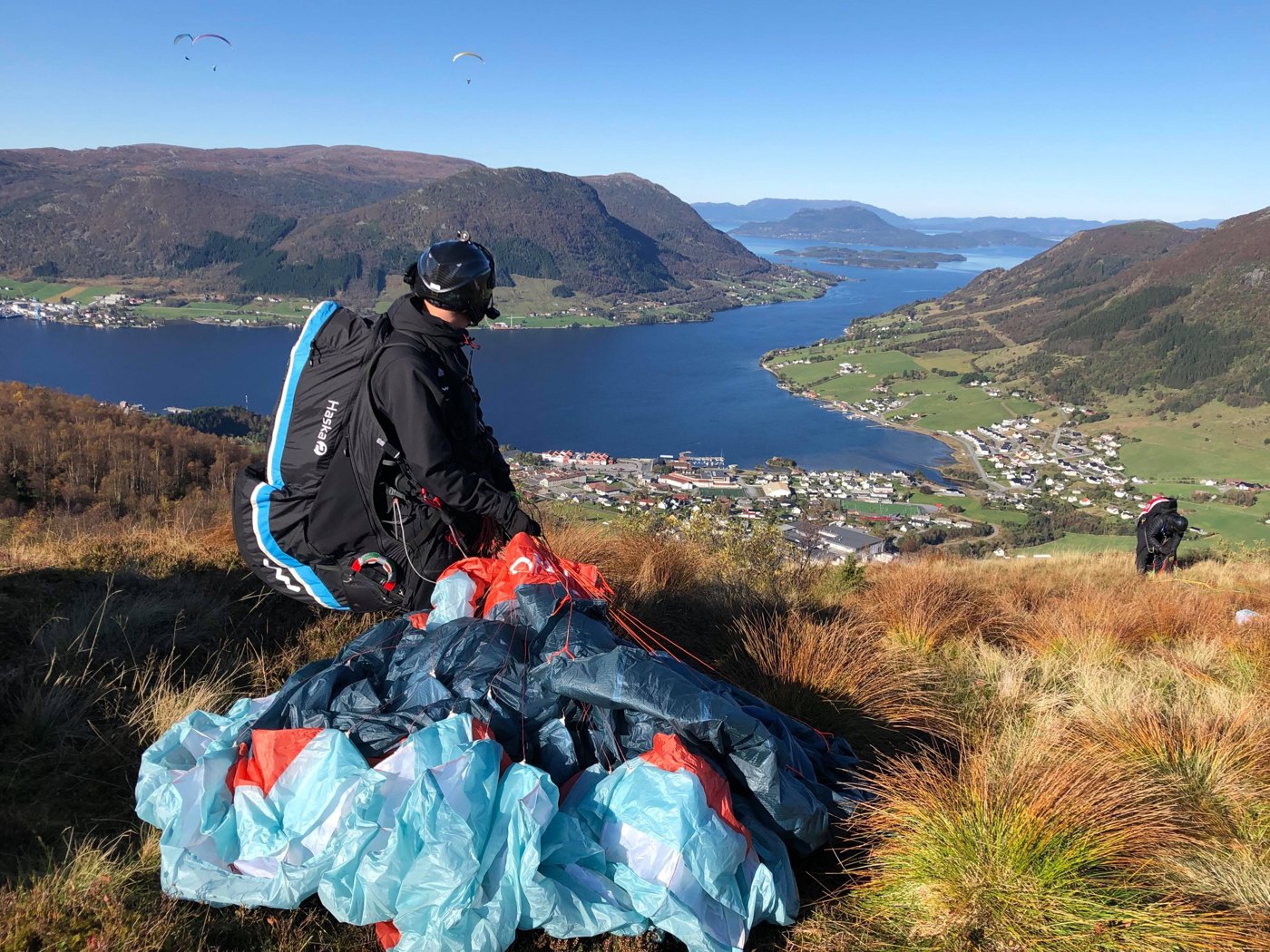
Background
Built by people who fly.
We know the need for local weather measurements from our own flying. Our aim with Bakvind is to make weather stations affordable for more flying sites, whether for paragliding, hang gliding or model aircraft. Many sites lack local weather measurements, and we want to make it easier to install a weather station.
The project uses affordable, readily available components. We develop the device firmware and website, and run the server that receives the measurements.
Local conditions
Check the wind before the walk up.
On Bakvind, we can compare wind speed, gusts and direction at several flying sites before deciding where to go. The history shows whether the wind is steady or changing.
This is especially useful where reaching launch takes a long or demanding walk. We can check conditions before setting off and avoid walking up only to discover a tailwind at launch.
Station pages also show temperature, humidity, air pressure and rainfall. Station measurements and forecasts from Yr are displayed as separate sources, making it clear what was measured locally and what is a forecast.
From mountain launches to model airfields
Different flying sites.
The same idea.
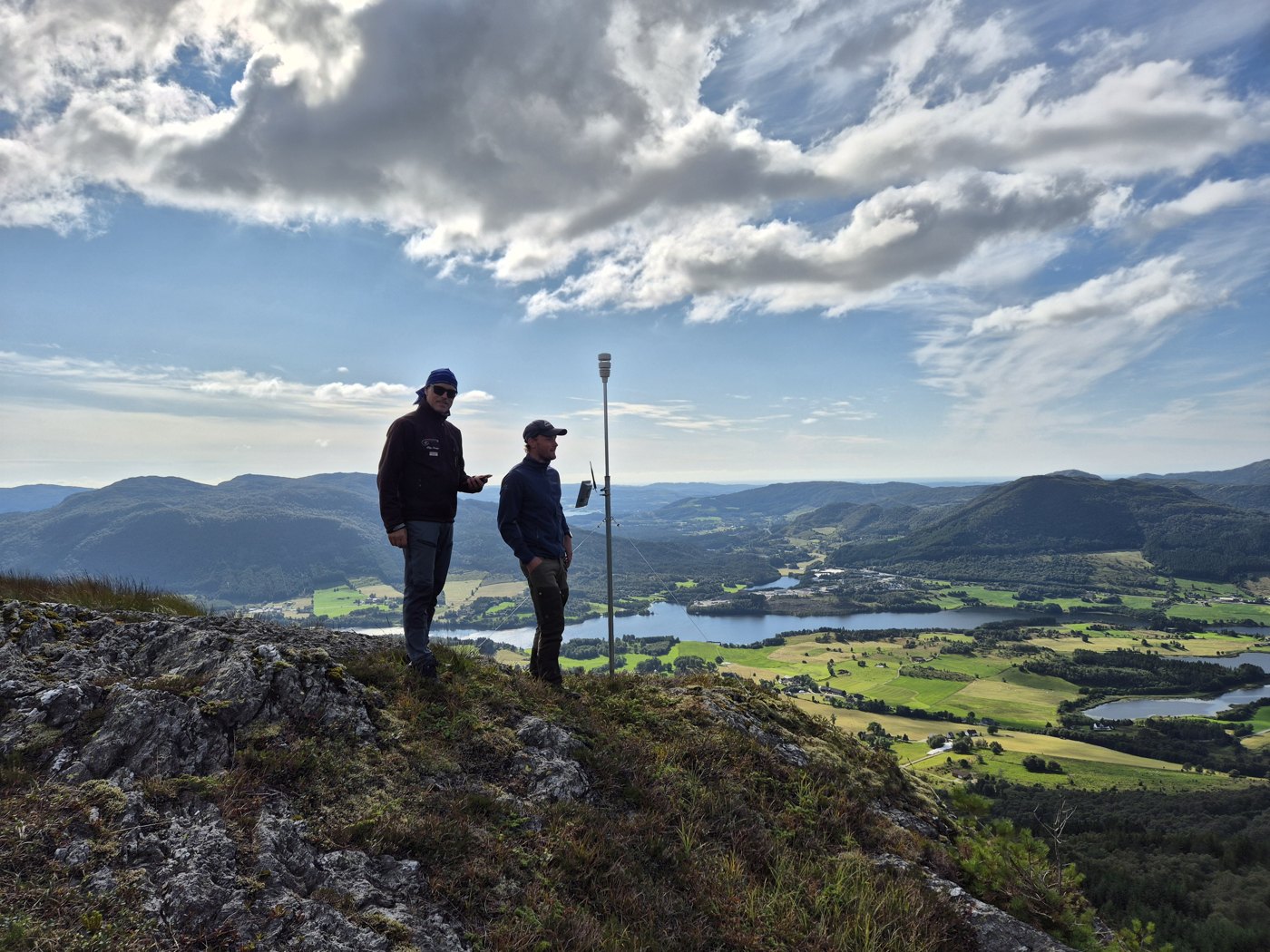
The need for local wind measurements is the same at a mountain launch and a model airfield, even though the location and access to power and internet differ. Bakvind can be adapted to the site, with solar and battery power and a radio link to a gateway with internet access.
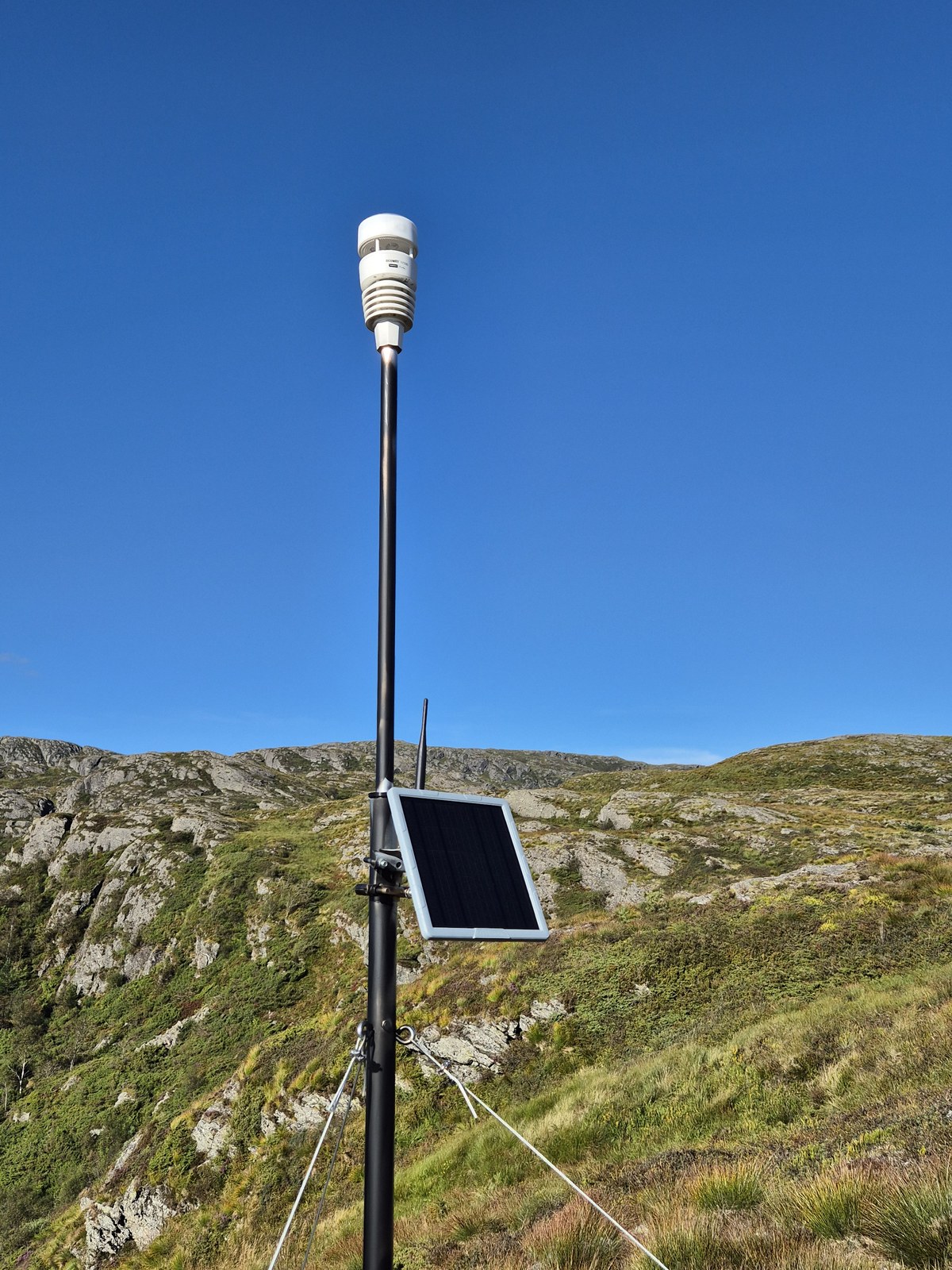
The equipment uses standard components that you can buy and assemble yourself. This helps keep costs down and makes it easier to repair and replace individual parts without replacing the entire weather station.
We use the Ecowitt WS90 “Powered by Shelly”, which measures wind ultrasonically, with no moving parts in the wind sensor. Avoiding mechanical wind sensors has been an important choice for the project because of our poor experiences with their lifespan and maintenance needs. An ultrasonic sensor costs more to buy, but we chose it to reduce maintenance over time.
See the parts of a Bakvind stationFurther development
Plans ahead.
We are also working on a version that uses the mobile network. It is still in development.
We do not currently sell hardware. Components are purchased directly from regular online stores. In time, we plan to charge a small annual fee per weather station to cover server hosting and technical infrastructure.
Clubs and flying sites interested in trying the system or sharing feedback can contact us through the Bakvind Facebook page.
Send us a message on Messenger