From the weather sensor at the flying site to the readings on your screen. This is the equipment we build around, with a ready-made solar node or a node you assemble yourself.
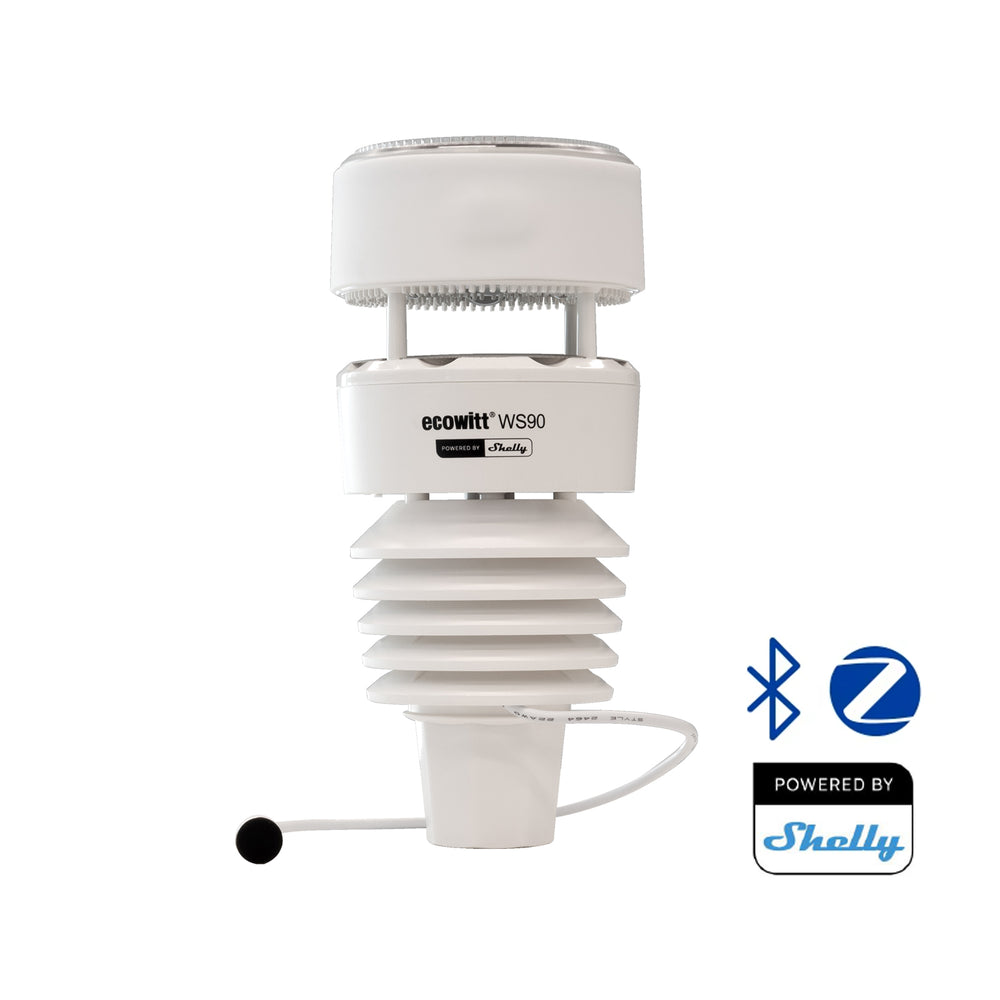
A compact 7-in-1 sensor with a built-in solar cell and battery backup. Wind is measured ultrasonically, without wind cups or a moving vane. Rainfall is recorded by a haptic rain sensor.
Wind
Speed, gusts and direction
Air
Temperature, humidity and pressure
Rainfall
Amount and intensity
Sunlight
Light intensity and UV index
Choose the right WS90. Bakvind radio nodes use the Bluetooth-enabled “Powered by Shelly” edition. The standard WS90 uses a different radio system.
We bought our sensor from a local online retailer. It can also be ordered directly from Ecowitt.
Installed next to the weather sensor. With Bakvind firmware, it receives measurements over Bluetooth and forwards them over LoRa radio.
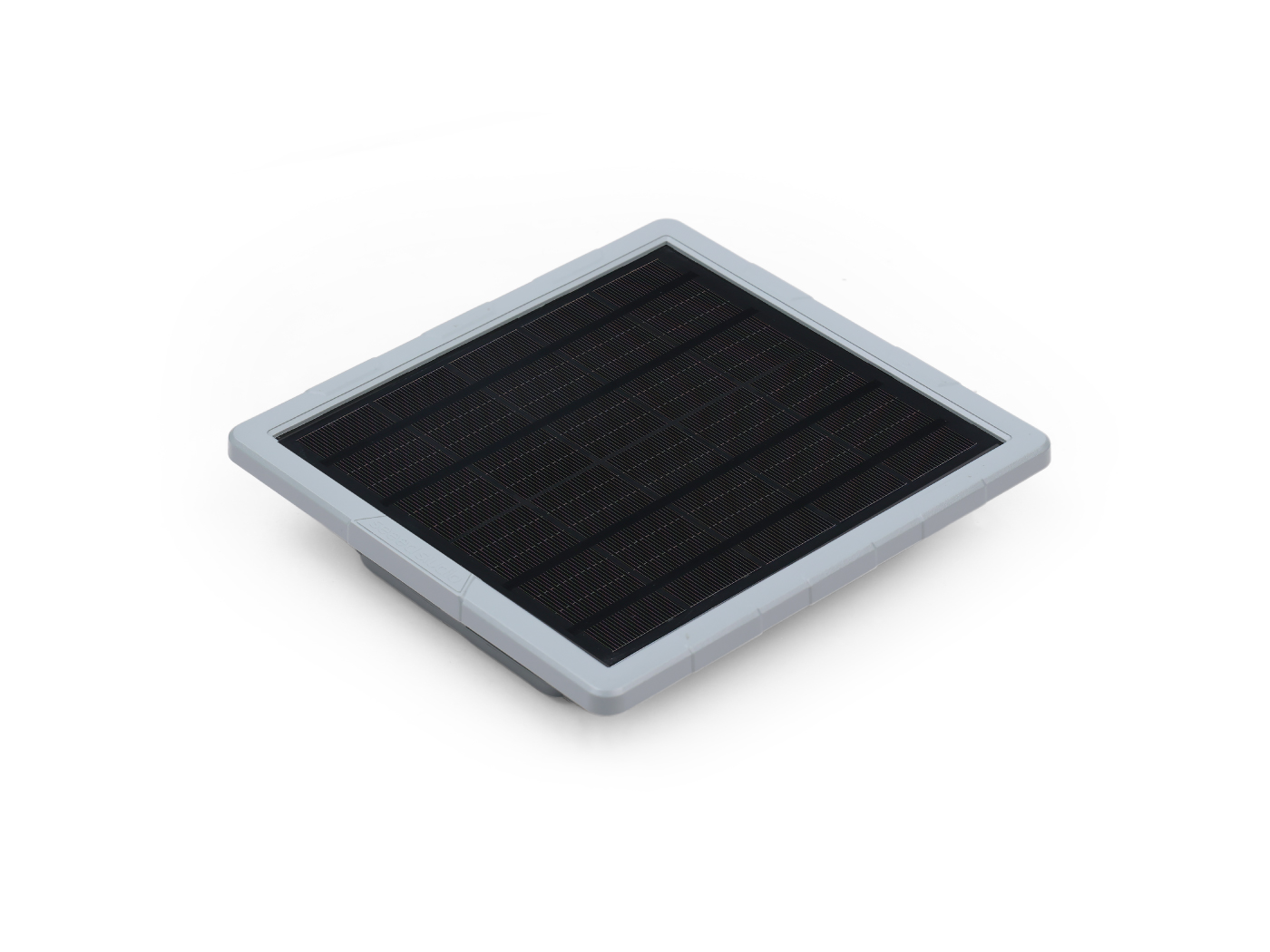
The solar panel and battery are combined in one outdoor unit. This is our preferred starting point when you want to spend less time building an enclosure and power supply.
It can act as a transmitter beside the sensor, a repeater without a sensor, or a repeater that also sends readings from its own sensor.
The SenseCAP Solar Node P1-Pro can be ordered directly from Seeed Studio.
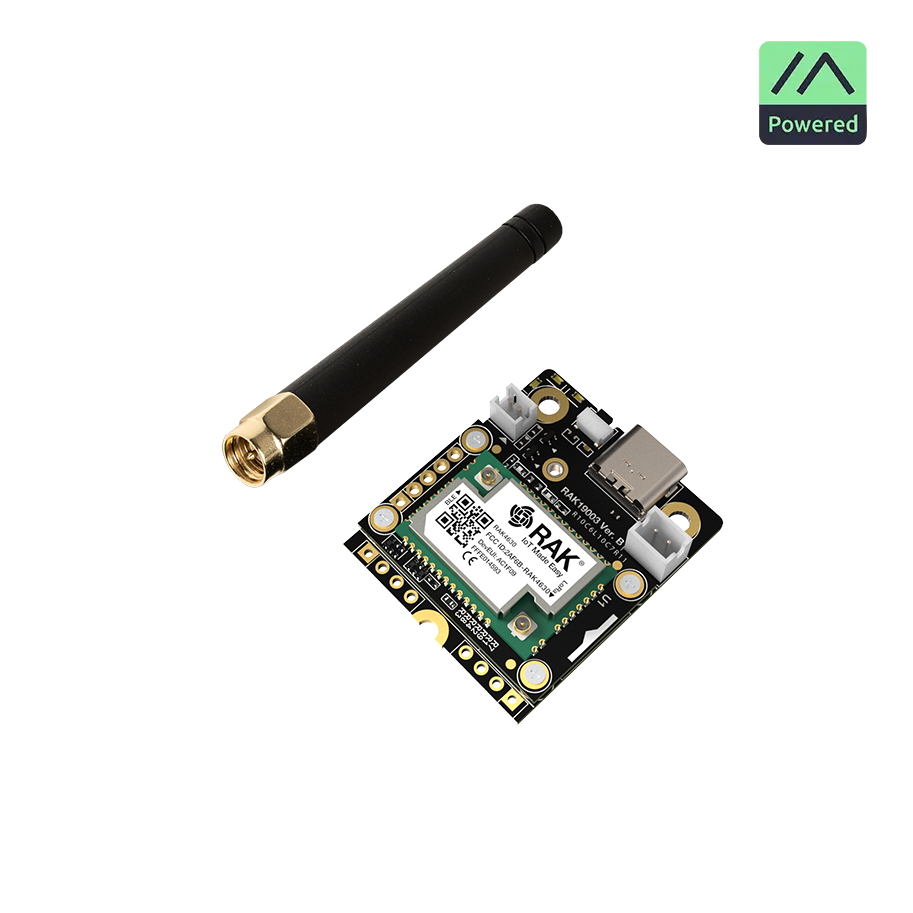
For those who want to build their own solar or battery node. The RAK4631 combines Bluetooth and LoRa and mounts on a WisBlock base board.
You choose the enclosure, battery, antenna and, if needed, a solar panel with a suitable charging setup. The documented Bakvind setup uses the RAK19003 base.
The same roles as the Seeed node: transmitter, repeater or both. Choose the power supply based on the location.
RAKwireless also offers the WisMesh Repeater Mini V2, a ready-made solar node with an RAK4631, solar panel and battery. It can be used as a transmitter or repeater with Bakvind firmware.
These devices are also sold for other radio systems. To use them with Bakvind, they need the correct Bakvind firmware and configuration.
Sunlight, placement and radio connectivity go together.
When measurements need a relay
One node. Several roles.
Transmitter beside the sensor
Receives local weather measurements over Bluetooth and forwards them over LoRa.
Repeater without a sensor
Placed where it has radio contact in both directions, relaying measurements from other nodes.
Repeater with a sensor
Relays other nodes’ measurements while also sending weather data from the sensor at its own location.
A repeater is only needed when the radio path requires one. It does not provide internet access; that is the gateway’s job.
03 / Gateway with Wi-Fi
From radio to the internet.
The gateway receives LoRa messages and sends them to Bakvind.no. It is placed where there is permanent power, Wi-Fi with internet access and radio contact with the nodes. These are the gateways we want to build around.
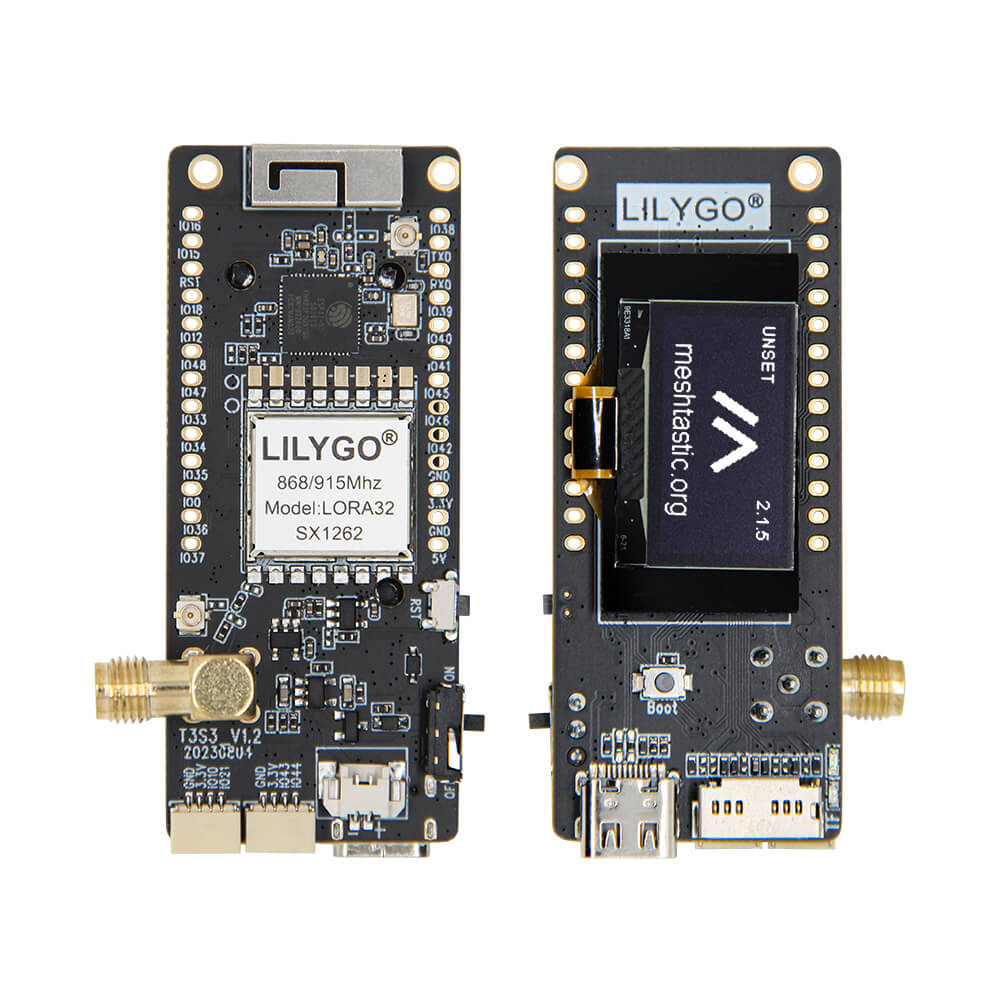
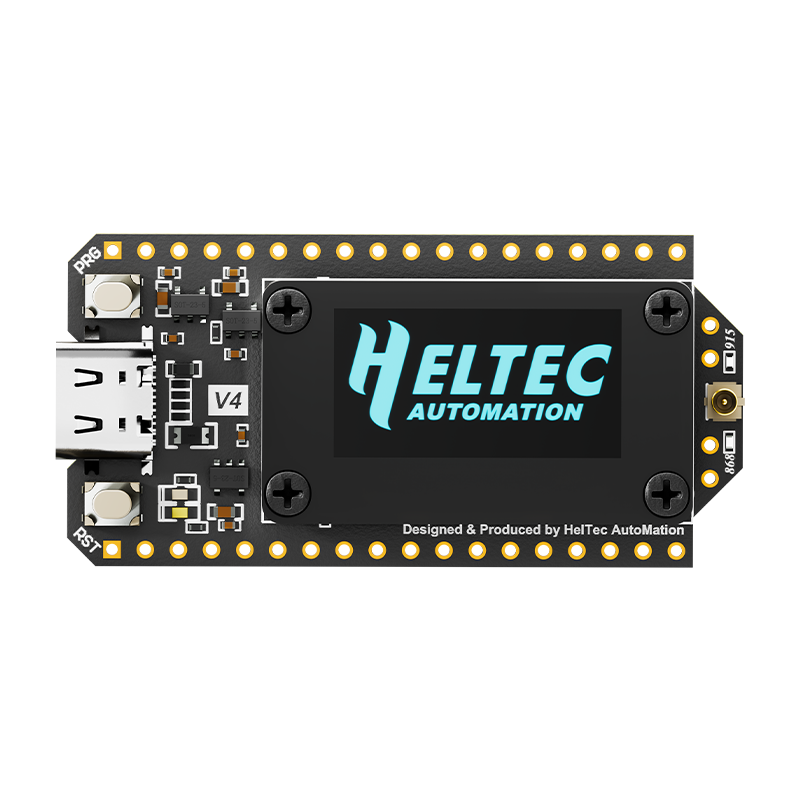
Choose the version with an OLED display. This applies to both LILYGO and Heltec. The display shows gateway status information.
An ESP32-S3 board with Wi-Fi and LoRa. The linked variant has an SX1262 radio for 868 MHz. The T3-S3 is sold with several different radios, so selecting the right variant matters.
Bakvind support needs confirmation. We would like to use this model as a gateway, but it does not yet have a dedicated Bakvind firmware build. Do not order based on this preview alone.
The T3-S3 can be ordered directly from LILYGO. Check the radio and frequency variant before ordering.
A compact gateway platform with an ESP32-S3, SX1262 radio and display. Bakvind uses it with permanent power and Wi-Fi, even though the board also has a battery connector.
Verify the board variant. Bakvind has a dedicated V4 firmware build. Physical board verification is still marked as unresolved in the project documentation. V4 and V4-R8 must not be treated as the same board.
The WiFi LoRa 32 V4 can be ordered directly from Heltec. Check the board and frequency variant before ordering.
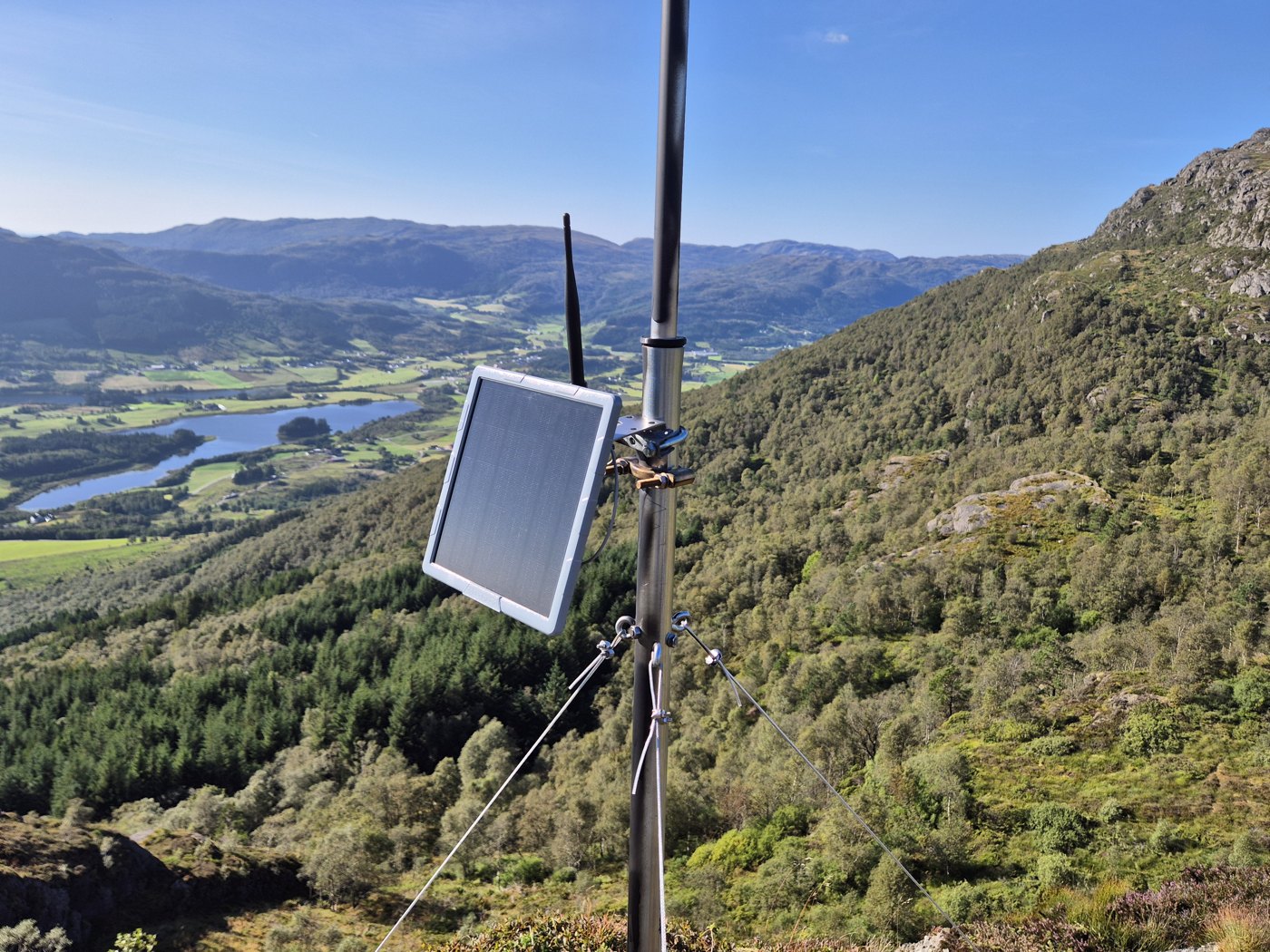
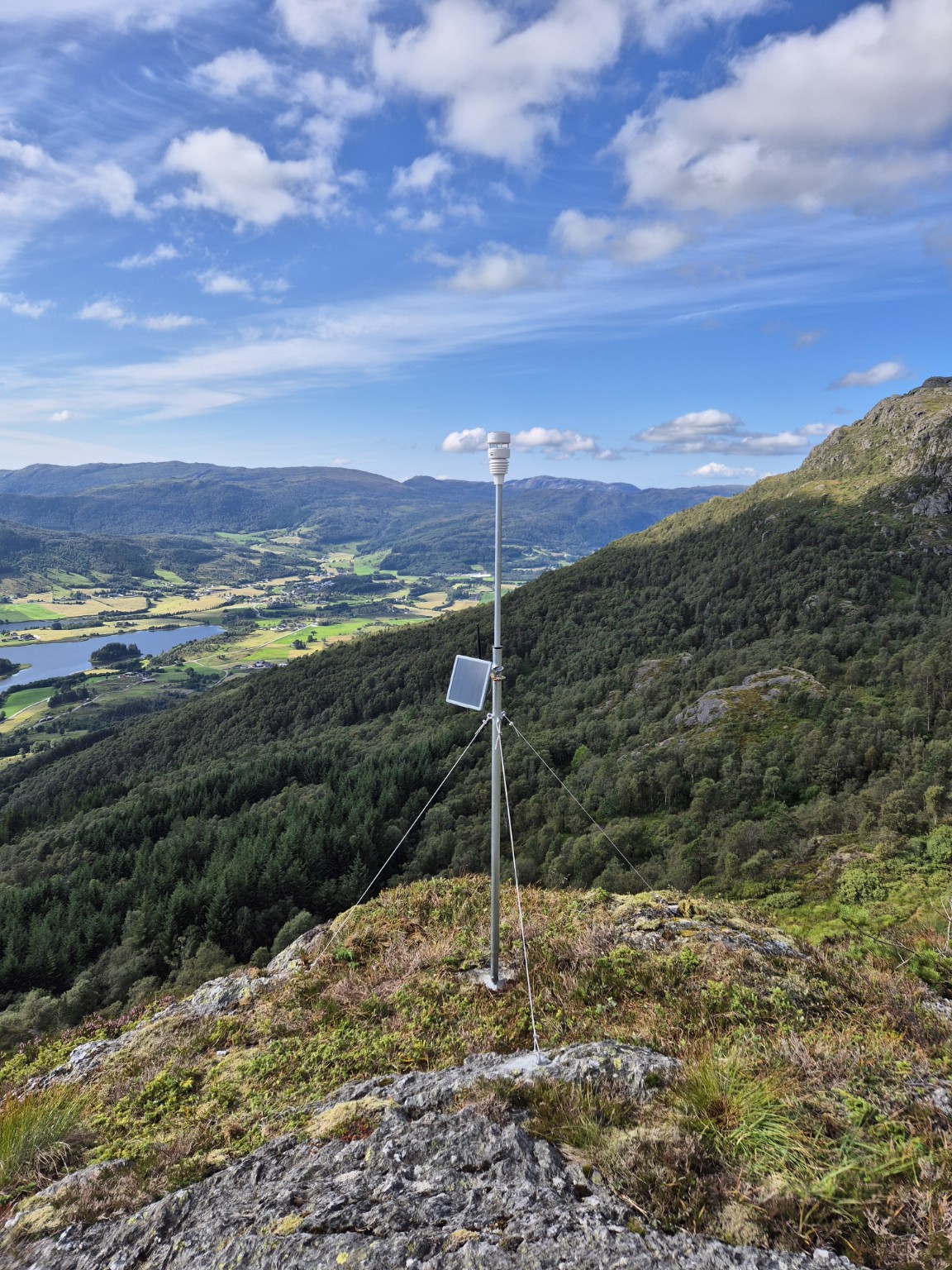
The sensor needs unobstructed wind. The node needs sunlight and radio contact. A stable mast with suitable guy wires keeps the equipment in place.
We build the mast from available parts and adapt its height, mounting and guy wires to the location. The sensor and radio antenna have different needs; both need a suitable position.
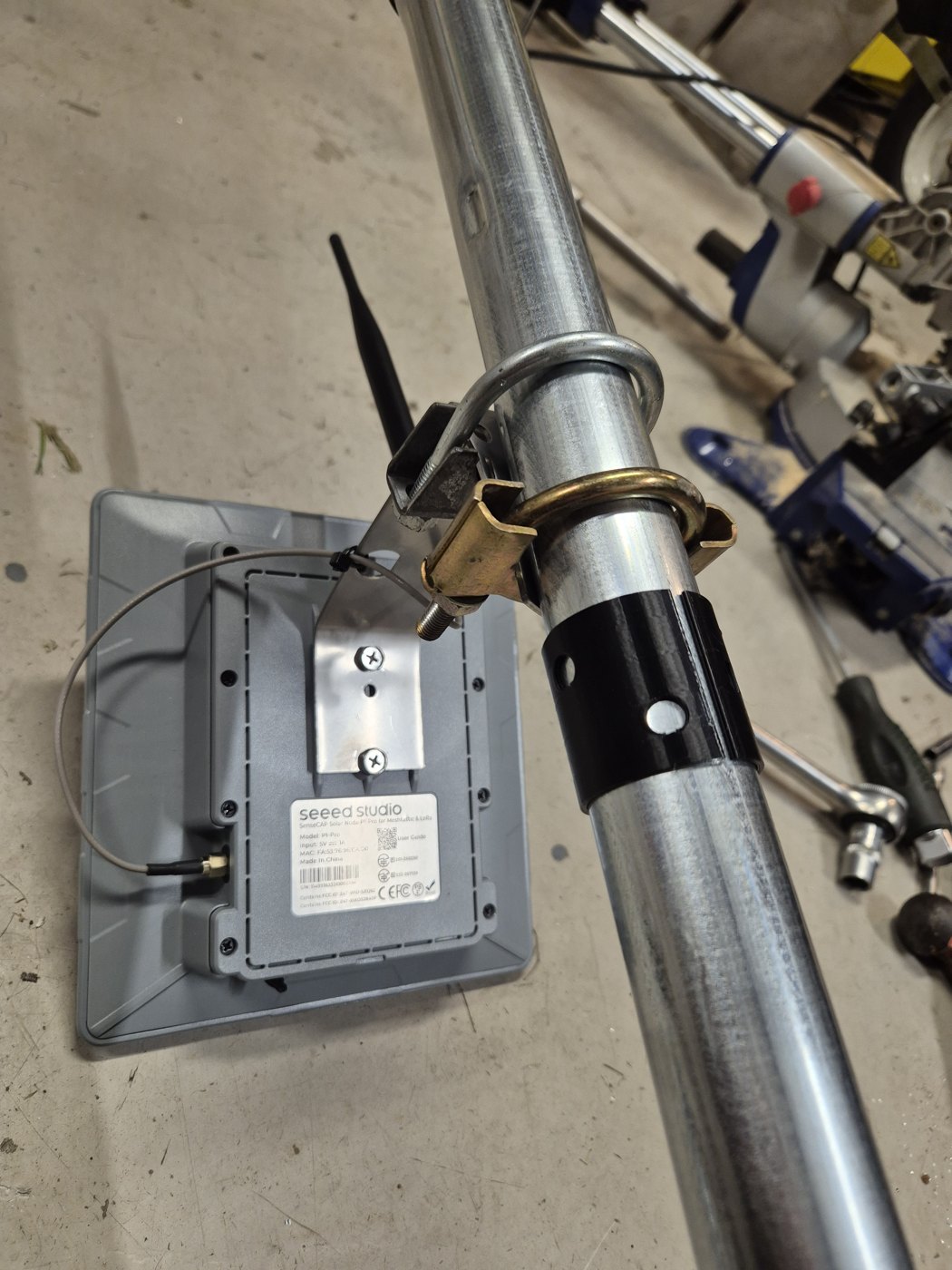
From the workshop to the flying site. A detail from the project’s mast construction. Mountings, cables and enclosure must withstand the weather and remain accessible for maintenance.
Before choosing equipment
A few practical questions.
Parts you cannot find at local online retailers can usually be ordered directly from the manufacturer or through AliExpress and eBay. Check that the model and variant match your intended setup.
Does the flying site need mobile coverage?
No, not when using a radio link. The weather station needs radio contact with a gateway, directly or via a repeater. The gateway needs internet access. Terrain and placement determine whether the connection works.
Can the station transmit directly over the mobile network?
Mobile network support is planned. The setup shown here uses a radio link to a gateway with Wi-Fi.
Can we use a standard WS90 with an Ecowitt base station?
Bakvind also has a separate solution for a standard WS90 with a GW2000 base station. This uses a different connection path from the Shelly sensor and radio nodes shown here. Choose your setup before selecting the sensor.
 Bakvind